It sounds like a simple question.
But in today’s facilities — hospitals, airports, corporate campuses, manufacturing plants, distribution centers — it’s anything but.
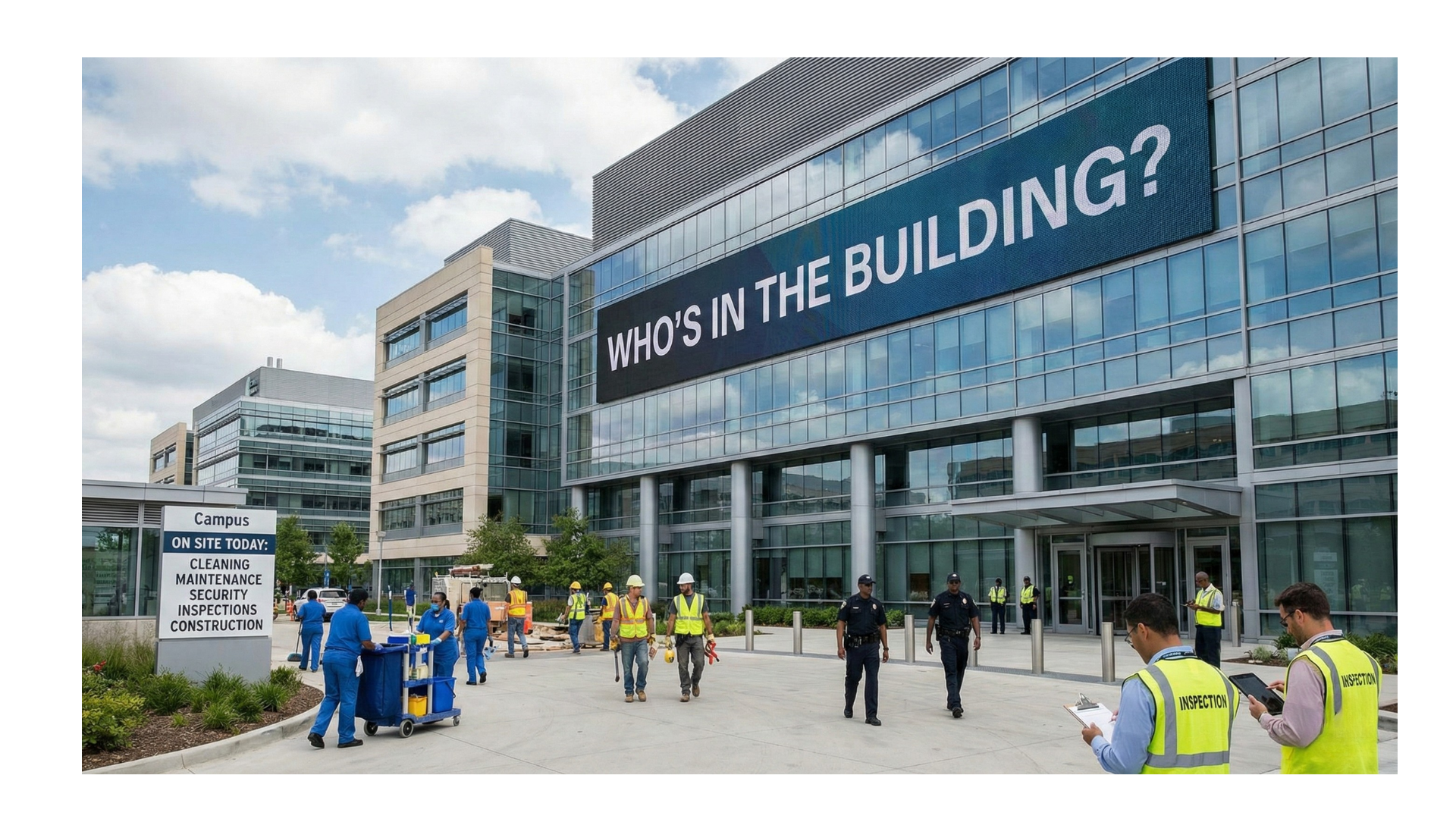
Who’s in the building?
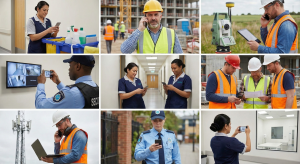
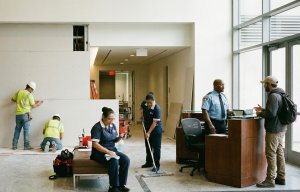
Is it the overnight cleaning crew resetting the space before sunrise?
The maintenance team responding to a work order on the third floor?
Security guards rotating shifts at the front desk?
An inspector walking the site with a clipboard?
A subcontracted construction crew finishing a renovation behind temporary walls?
The answer is: all of them.
Modern buildings are living ecosystems. They don’t run on autopilot. They run on people — often dozens or hundreds of frontline workers moving in coordinated (and sometimes uncoordinated) patterns throughout the day.
And yet, many organizations still struggle to answer that one simple question in real time.
- Not who should be in the building.
- Not who was scheduled.
- But who is actually there — right now.
Why does it matter?
- Because visibility drives accountability.
- Because safety depends on it.
- Because compliance requires it.
- Because payroll, billing, and utilization hinge on it.
When you don’t know who’s in the building:
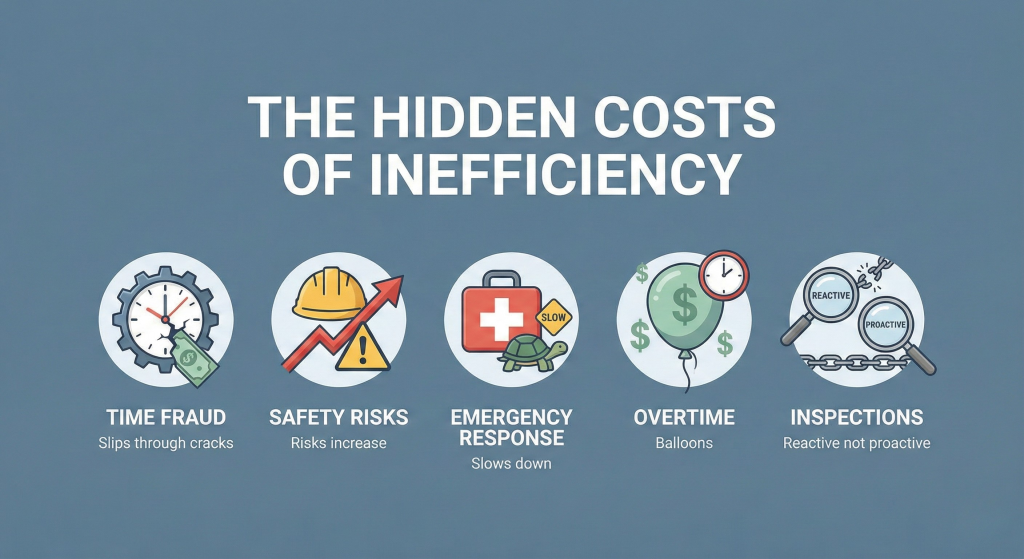
But when you do know — with certainty — everything changes.
- You can verify that the cleaning crew completed their route.
- You can confirm that a licensed technician handled the repair.
- You can ensure security coverage never drops.
- You can track subcontractors without chasing paperwork.
- You can protect both your people and your margins.
Buildings aren’t just walls and wiring. They’re dynamic environments powered by frontline teams who keep everything clean, safe, compliant, and operational.
So the next time someone asks, “Who’s in the building?” — it shouldn’t require a phone call, a clipboard, or a guess.
It should be clear.
Immediate.
Verifiable.
Because knowing who’s in the building isn’t just operational intelligence.
It’s control.